Bitget Wallet: Prediction Markets Will Consolidate in Liquidity but Spread in Access

Monday, 04/05/2026 | 10:18 GMT by Tanya Chepkova
  • Liquidity in prediction markets may concentrate in a few core venues, while access shifts toward wallets and exchanges.
  • The competitive edge is moving from building markets to controlling how users access and interpret them.
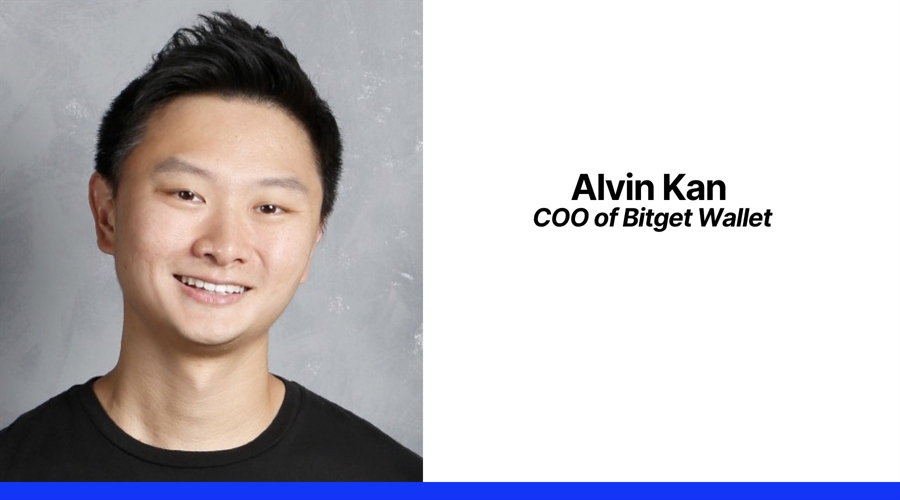
Alvin Kan, COO of Bitget Wallet

Prediction markets are increasingly being built on a small number of liquid venues, but accessed through a growing number of interfaces. Wallets, exchanges, and fintech apps are emerging as the main entry points, shifting competition toward distribution and user experience.

Singapore Summit: Meet the largest APAC brokers you know (and those you still don't!)

According to Alvin Kan, this split between liquidity and access may define the next phase of the sector. Platforms like Bitget are focusing on access and usability, rather than building their own markets. The assumption is that adoption will depend more on how markets are accessed than where they are hosted.

When Liquidity Meets Accessibility and User Experience

The difference between using a native platform like Polymarket and accessing markets through a wallet lies in how users access and interpret them, Kan explains.

“Platforms like Polymarket are effective at liquidity and price discovery, but they typically require users to navigate multiple steps and interpret raw probabilities independently. Bitget Wallet adds a layer focused on accessibility and usability,” he says.

From an access standpoint, users can move from funding to execution within a single mobile interface, aiming to reduce friction. From an interpretation standpoint, AI-assisted analysis helps aggregate data, news, and on-chain signals into more structured insights. Kan describes this as a shift in the category, from building markets to making them easier to access and understand at scale.

Integrations vs. Building Its Own Markets

Rather than launching its own prediction market, Bitget Wallet chose to integrate with existing infrastructure, as what appears to matter most to users is access to deep, liquid, and diverse markets, Kan explains.

“Building a prediction market from scratch requires significant time to bootstrap liquidity, and without that, pricing and participation tend to remain limited. Integrating with an established platform like Polymarket allows access to meaningful markets from the outset,” he says.

However, this approach relies on external infrastructure for liquidity and market structure, limiting control over areas such as listings and monetisation.

According to Kan, this trade-off is a deliberate choice, as the wallet focuses on improving access, usability, and distribution rather than rebuilding the market layer.

How to Simplify the Complexity

Prediction markets require users to understand probabilities, outcomes, and risk, which can be difficult without earlier experience. Within a wallet, this is combined with additional steps such as funding, transaction signing, and position management. According to Kan, making a complex product accessible is a main challenge.

“The goal is to simplify this into a single, coherent user journey, from discovering markets to understanding them, to executing trades,” he says. “At the same time, it is critical to maintain clarity around risk and outcomes, so simplification does not come at the expense of transparency.”

Compliance Tied to the Access Layer

Kan points out that access is managed based on local regulatory requirements. This means that certain jurisdictions may have restrictions on prediction market participation.

“As a self-custodial wallet, Bitget Wallet does not custody user assets or operate the underlying markets. Instead, it provides access to on-chain protocols while ensuring users are informed of applicable limitations and are expected to comply with local regulations.”

This is consistent with a broader Web3 model, where infrastructure and interface layers are distinct, but compliance considerations remain relevant at the point of access.

Where Users Will Access Prediction Markets Over Time

Kan expects a hybrid model to emerge. “Dedicated platforms like Polymarket will remain central to liquidity and price discovery, particularly for more active or experienced users,” he says.

However, broader adoption is likely to come through more familiar environments such as wallets and exchanges. Users are less likely to navigate separate platforms for each interaction and more likely to engage through environments where their assets are already held.

“Over time, we expect liquidity to concentrate, while access becomes more distributed. Wallets are well-positioned to serve as that entry point, making prediction markets more accessible without changing where the underlying markets operate.”

Prediction markets are increasingly being built on a small number of liquid venues, but accessed through a growing number of interfaces. Wallets, exchanges, and fintech apps are emerging as the main entry points, shifting competition toward distribution and user experience.

Singapore Summit: Meet the largest APAC brokers you know (and those you still don't!)

According to Alvin Kan, this split between liquidity and access may define the next phase of the sector. Platforms like Bitget are focusing on access and usability, rather than building their own markets. The assumption is that adoption will depend more on how markets are accessed than where they are hosted.

When Liquidity Meets Accessibility and User Experience

The difference between using a native platform like Polymarket and accessing markets through a wallet lies in how users access and interpret them, Kan explains.

“Platforms like Polymarket are effective at liquidity and price discovery, but they typically require users to navigate multiple steps and interpret raw probabilities independently. Bitget Wallet adds a layer focused on accessibility and usability,” he says.

From an access standpoint, users can move from funding to execution within a single mobile interface, aiming to reduce friction. From an interpretation standpoint, AI-assisted analysis helps aggregate data, news, and on-chain signals into more structured insights. Kan describes this as a shift in the category, from building markets to making them easier to access and understand at scale.

Integrations vs. Building Its Own Markets

Rather than launching its own prediction market, Bitget Wallet chose to integrate with existing infrastructure, as what appears to matter most to users is access to deep, liquid, and diverse markets, Kan explains.

“Building a prediction market from scratch requires significant time to bootstrap liquidity, and without that, pricing and participation tend to remain limited. Integrating with an established platform like Polymarket allows access to meaningful markets from the outset,” he says.

However, this approach relies on external infrastructure for liquidity and market structure, limiting control over areas such as listings and monetisation.

According to Kan, this trade-off is a deliberate choice, as the wallet focuses on improving access, usability, and distribution rather than rebuilding the market layer.

How to Simplify the Complexity

Prediction markets require users to understand probabilities, outcomes, and risk, which can be difficult without earlier experience. Within a wallet, this is combined with additional steps such as funding, transaction signing, and position management. According to Kan, making a complex product accessible is a main challenge.

“The goal is to simplify this into a single, coherent user journey, from discovering markets to understanding them, to executing trades,” he says. “At the same time, it is critical to maintain clarity around risk and outcomes, so simplification does not come at the expense of transparency.”

Compliance Tied to the Access Layer

Kan points out that access is managed based on local regulatory requirements. This means that certain jurisdictions may have restrictions on prediction market participation.

“As a self-custodial wallet, Bitget Wallet does not custody user assets or operate the underlying markets. Instead, it provides access to on-chain protocols while ensuring users are informed of applicable limitations and are expected to comply with local regulations.”

This is consistent with a broader Web3 model, where infrastructure and interface layers are distinct, but compliance considerations remain relevant at the point of access.

Where Users Will Access Prediction Markets Over Time

Kan expects a hybrid model to emerge. “Dedicated platforms like Polymarket will remain central to liquidity and price discovery, particularly for more active or experienced users,” he says.

However, broader adoption is likely to come through more familiar environments such as wallets and exchanges. Users are less likely to navigate separate platforms for each interaction and more likely to engage through environments where their assets are already held.

“Over time, we expect liquidity to concentrate, while access becomes more distributed. Wallets are well-positioned to serve as that entry point, making prediction markets more accessible without changing where the underlying markets operate.”

About the Author: Tanya Chepkova
Tanya Chepkova
  • 191 Articles
About the Author: Tanya Chepkova
Tanya Chepkova is a News Editor at Finance Magnates with more than 16 years of experience in financial journalism, covering forex, crypto, and digital asset markets. Her work spans daily industry reporting and data-driven, long-form explainers focused on market structure, trading models, and regulatory shifts. Before joining Finance Magnates, she led the editorial team of a cryptocurrency-focused media outlet for six years. Her reporting combines analytical depth with clear storytelling, with particular attention to how structural changes in trading, stablecoin infrastructure, and emerging products such as prediction markets reshape the broader financial ecosystem. She covers global developments and provides additional insight into CIS markets. Areas of Coverage: Crypto and digital asset markets Prediction markets Stablecoins and cross-border payments Industry analysis and long-form explainers
  • 191 Articles

More from the Author

CryptoCurrency

!"#$%&'()*+,-./0123456789:;<=>?@ABCDEFGHIJKLMNOPQRSTUVWXYZ[\]^_`abcdefghijklmnopqrstuvwxyz{|} !"#$%&'()*+,-./0123456789:;<=>?@ABCDEFGHIJKLMNOPQRSTUVWXYZ[\]^_`abcdefghijklmnopqrstuvwxyz{|}